Anna Wolf · 2 September 2026
Recent trade policy shifts have led to the imposition of new tariffs that are affecting Nuviax supply chains in significant ways. These measures, introduced by trading partners outside the European Union, target various goods essential to Nuviax's production processes. The company, known for its advancements in sustainable technology solutions, now faces increased operational complexities.
Immediate Impacts on Logistics
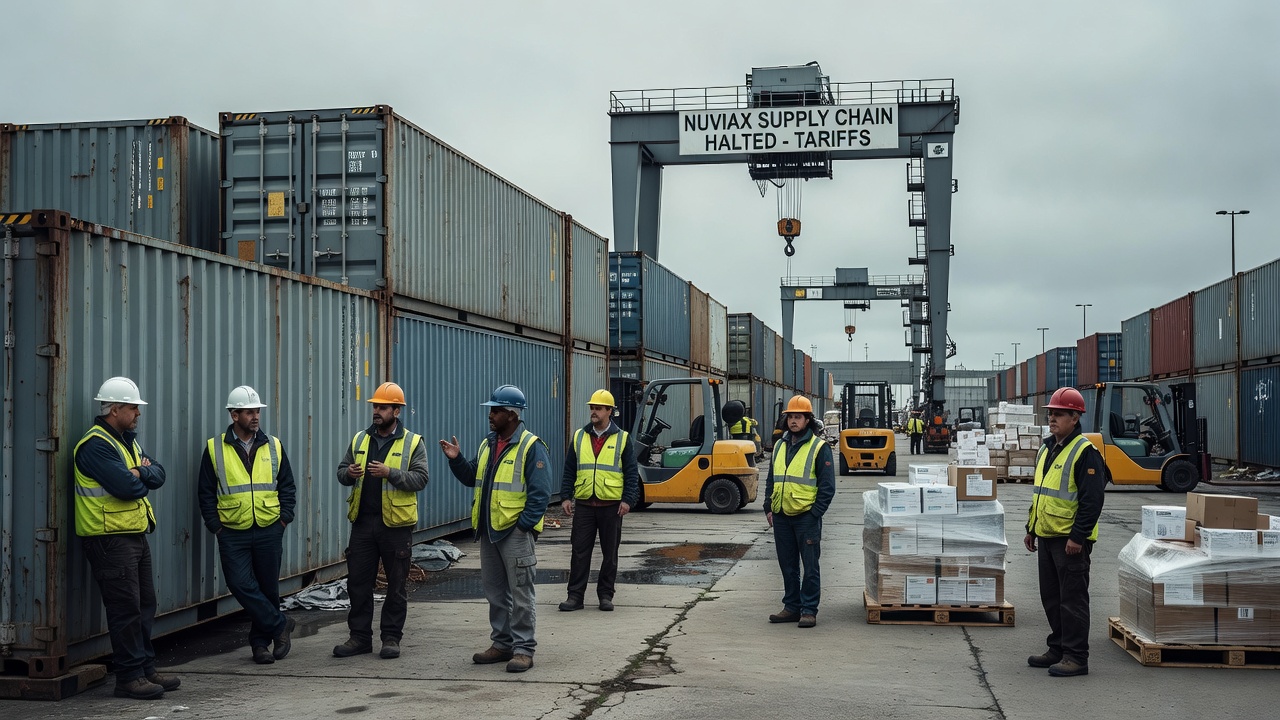
The tariffs have resulted in higher costs for raw materials such as rare earth elements and specialized plastics. Nuviax has reported that these additional expenses could amount to millions of euros annually if not offset by other means. Delivery schedules have been extended due to customs delays at ports, causing ripple effects in the assembly lines. Employees in the procurement department are working overtime to identify new vendors from countries not affected by the tariffs. This shift may also influence the company's carbon footprint calculations as transportation routes change. Additionally, the company is reviewing its entire supply chain for potential vulnerabilities exposed by these tariffs.
Furthermore, stock market reactions have shown slight declines in Nuviax shares following the tariff announcements, reflecting investor concerns over profitability margins. Experts in international economics advise that companies diversify their geographic dependencies to avoid similar issues in the future.
Long Term Strategies and Outlook
To counter these challenges, Nuviax is exploring vertical integration options and partnerships with local European suppliers. Investments in research for substitute materials are being prioritized to reduce reliance on tariffed imports. Policy advocates within the industry are pushing for bilateral agreements that could alleviate some of the burdens imposed by the new tariffs.
The situation serves as a reminder of the interconnected nature of global trade and the need for adaptive business models. Nuviax remains focused on maintaining product quality and delivery standards despite the hurdles. Future policy developments will likely play a crucial role in shaping the company's strategic decisions moving forward.